
Tenderness and Imperfection: Marc Quinn’s “Kiss”
A note delving into the sculpture "Kiss" of British artist Marc Quinn (b.1964) including themes of tenderness, body image and and (im)perfection.
ART
Mario M.
5/13/20262 min read
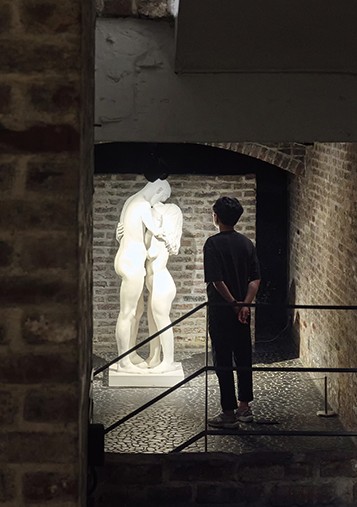
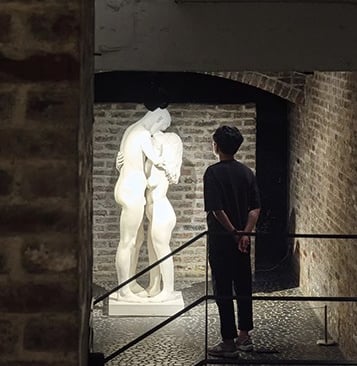
In Kiss, the viewer is captivated by the affectionate embrace and the tenderness with which the couple holds each other, their heads tilting and adjusting toward the other, both figuratively and metaphorically. It would not surprise that many viewers, on first encounter, fail to notice that both figures are missing limbs or carry a bodily difference. The tenderness Quinn achieves exudes a kind of hypnosis: one that compels you to look, turn, tilt, look again, or even photograph the work to better absorb these two figures in their kiss, and to miss their bodily particularities several times over in the process.
Presented in Arario Museum in Space in Seoul, Korea.
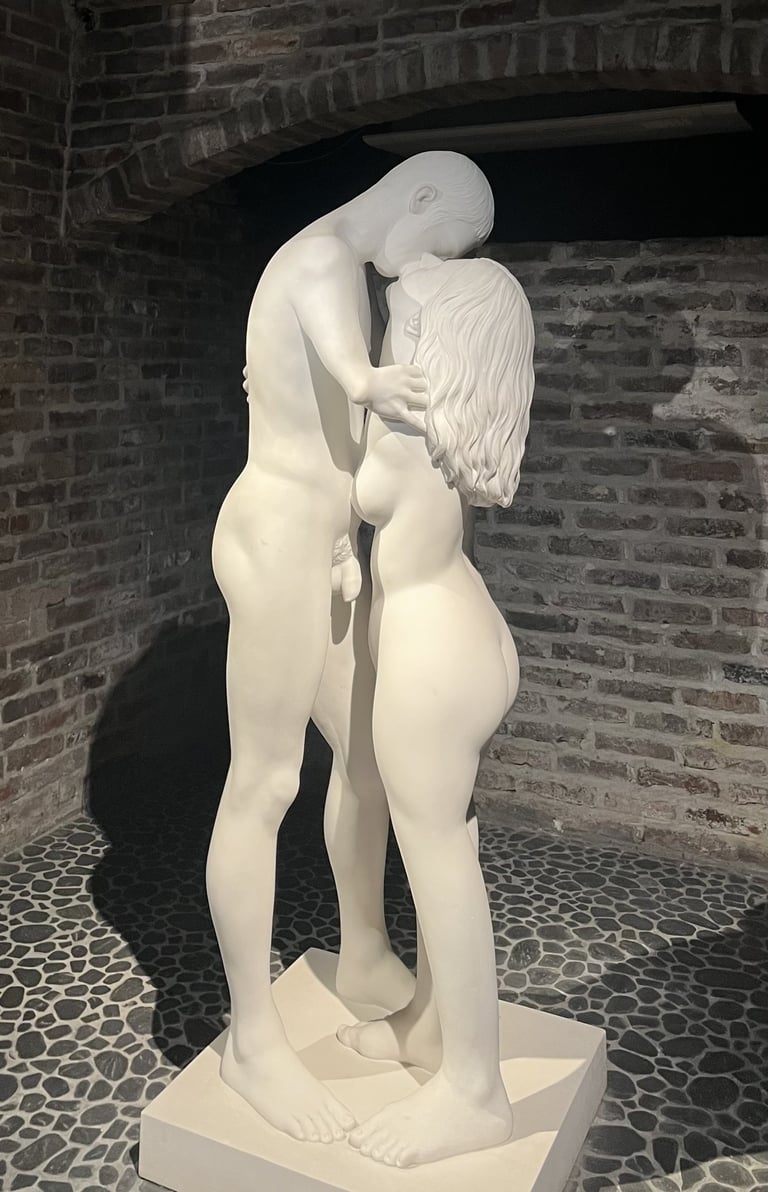
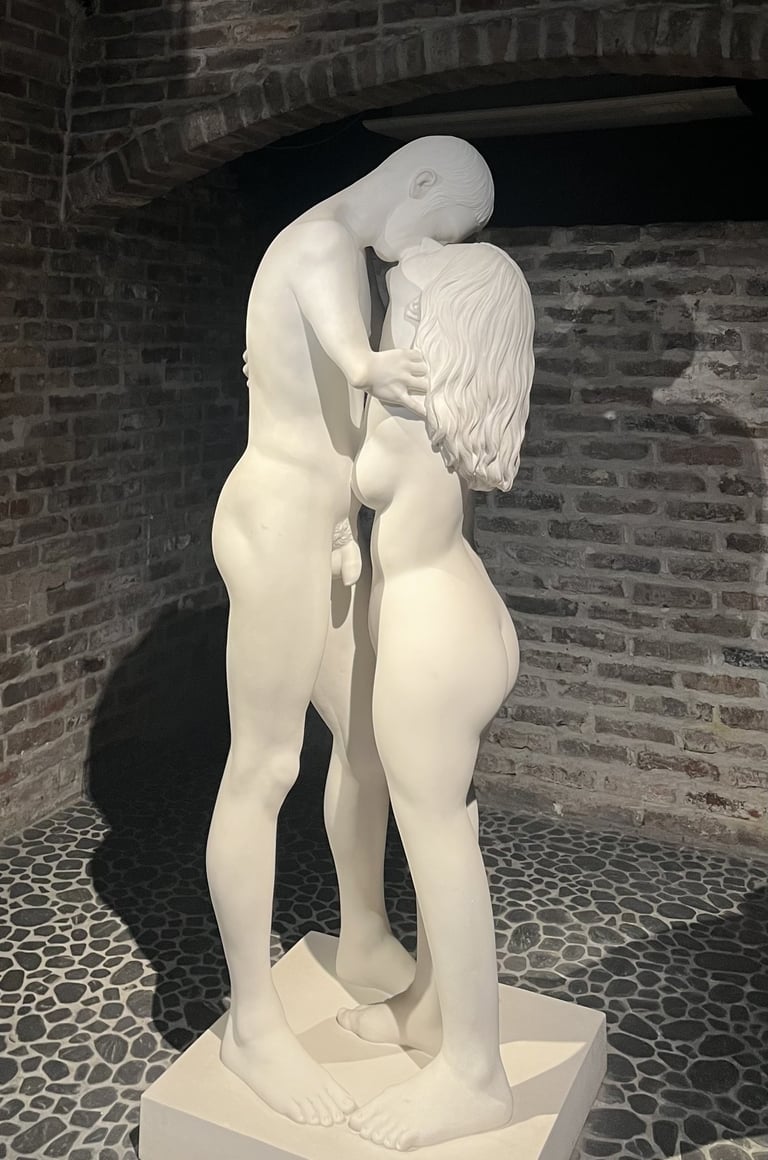
Quinn works here in the traditional medium of marble, drawing inspiration from classical sculpture such as those Greek and Roman works that so often depicted the supposedly perfect individual: the hero, the mythical figure, the body rendered without shadow or flaw. But in Kiss, Quinn sculpts something different. He treats the kiss itself as a subject precisely because of its apparent banality, bringing together two clichés, the marble sculpture and the kiss, to create something that transcends both. The tenderness of the embrace eclipses the bodily realities of the two figures entirely.
The models were actor Mat Fraser and art therapist Catherine Long, and Quinn carved the work in an almost luminous super-white marble, which serves to heighten his subversion of the heroic and the beautiful. The sculpture belongs to a wider series Quinn created to question received ideas of beauty and perfection. It is worth noting, too, that Quinn was moved to make this work after contemplating the difference in how viewers respond to a classical statue that has lost its limbs over centuries, with admiration, versus the discomfort many feel when encountering a living person missing an arm or leg. That gap, that inconsistency in our aesthetic empathy, is precisely what Kiss quietly can dismantle.
Art enthusiasts can draw links to love, sex, beauty and disability as objective characteristics in the sculpture. But to read it only through that lens risks missing a second layer of emotional engagement. One activated when the luminous whiteness of the marble, set against a typically darker gallery room, draws the gaze inward toward the couple's intimacy. In that light, any alleged physical difference becomes not merely secondary but imperceptible; the bodies dissolve into the gesture.
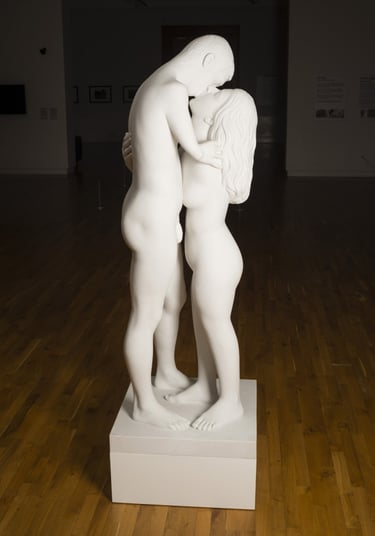
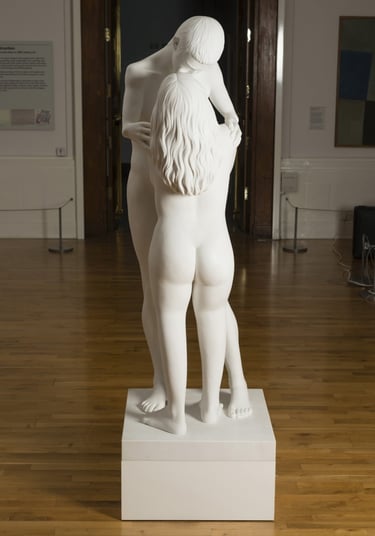
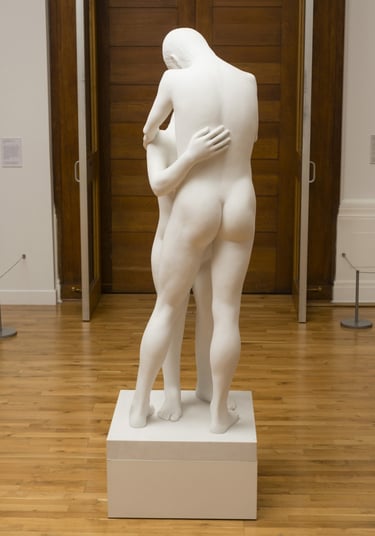
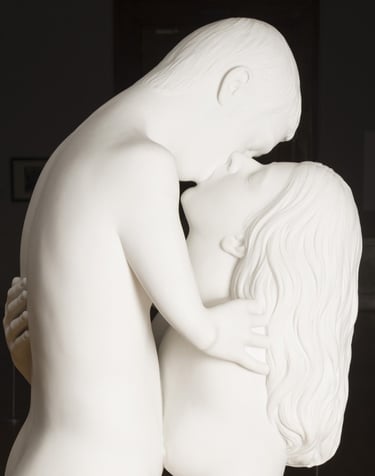
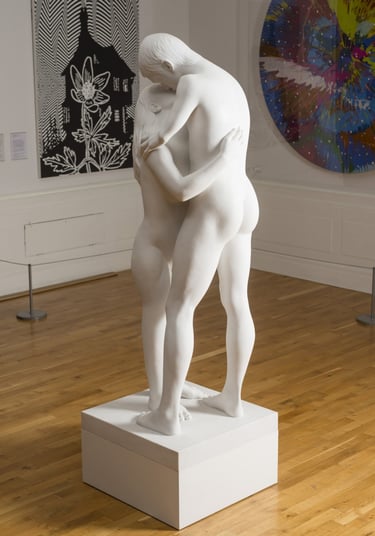
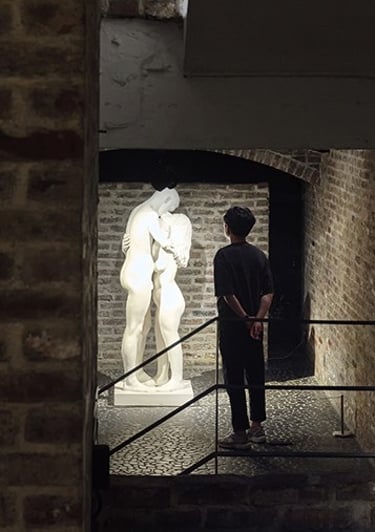
Image credits: Arario Museum in Space (Seoul, Korea), Sheffield Museums.
© 2025-2026. All rights reserved.
Centro Research
info@centroresearch.eu
Investment research of securities and markets
Reports and other shared materials should not constitute as financial advice. Investment decisions require individual due diligence and one should seek qualified counsel.